
Ceylon Tea and Its History: Facts You Should Know
Ceylon tea, named after the former name of Sri Lanka (“Ceylon”), has undergone an impressive evolution that is closely intertwined with the country’s history and culture. Today, Sri Lanka is one of the world’s largest tea producers, and Ceylon tea enjoys international recognition for its unique flavor and high quality.
1. The Beginnings of Tea Cultivation in Ceylon
Although early attempts to cultivate tea plants on the island failed as early as the 17th century, the year 1824 marked an important milestone:
- A tea plant from China was planted in the Royal Botanical Gardens of Peradeniya.
- This plant laid the foundation for the future tea industry in Sri Lanka.
The transition from coffee to tea
In the mid-19th century, coffee cultivation still dominated the country. But when a devastating fungal disease called coffee rust ravaged the plantations, alternatives had to be found. It was precisely at this time that the Scotsman James Taylor began experimenting with tea plants on his estate, Loolecondera (Lool Kandura).
- 1867: He established a tea plantation there covering approximately 7.5 hectares, thereby launching the start of commercial tea cultivation in Sri Lanka.
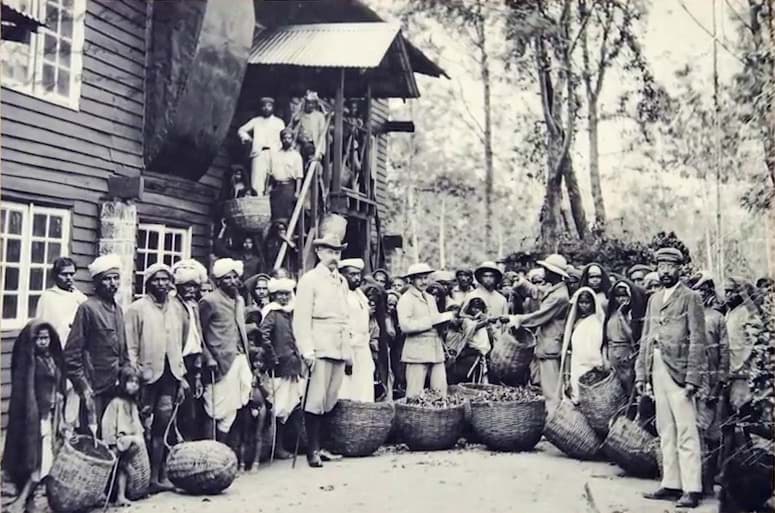
(Image: Historical photograph showing the first tea factory on the Loolecondera estate.)
2. James Taylor – The Pioneer of Ceylon Tea
James Taylor is considered the “Father of Ceylon Tea,” as his success convinced many plantation owners to switch from coffee to tea. In 1872, he opened the first fully equipped tea factory at Loolecondera.
- 1873: The first 23 pounds of Ceylon tea were exported to London, where they were very well received.
- Taylor refined the process with his “Pluck, Wither & Roll” method, which remains the basis of tea production to this day. (Image: James Taylor, the pioneer of Ceylon tea)
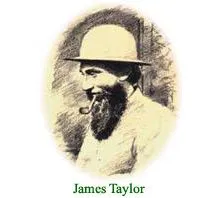
(Image: James Taylor, the pioneer of Ceylon tea)
3. The Rise of Ceylon Tea as a Global Player
Technical innovations accelerated the development of Ceylon tea:
- The Sirocco tea dryer (1877) and tea rolling machine (1880) enabled the processing of larger quantities of tea.
- First Colombo tea auction (1883): On the initiative of the Ceylon Chamber of Commerce, Ceylon tea quickly gained international fame.
As more and more plantations switched from coffee to tea cultivation, tea became the country’s most important export. Within a few decades, Sri Lanka (formerly Ceylon) became one of the world’s leading tea producers.
4. Important Milestones in the History of Ceylon Tea
- 1925: More than 100,000 tons of tea per year
- 1932: Founding of the Ceylon Tea Propaganda Board for quality assurance
- 1934: Discovery of the world’s largest tea bush (4 pounds of leaves per day)
- 1965: Sri Lanka becomes the world’s largest tea exporter
- 1980 & 1982: Official beverage at the Moscow Summer Olympics and the Commonwealth Games in Brisbane
- From 1982: Production and export of green tea
- 2008: Tea exports surpass the $1 billion mark
- 2011: Geographical Indications (GI) certification for “Ceylon Tea”
5. A Century of Ceylon Tea
Between 1971 and 1972, the government took over numerous tea plantations to strengthen and regulate this important economic sector. Since then, the Sri Lanka Tea Board, the Janatha Estate Development Board, and other institutions have ensured the professional organization and continuous development of the tea trade.
Did you know?
- Sri Lanka began exporting tea bags as early as 1976.
- Extensive investments in research, quality assurance, and marketing have made Ceylon tea a globally sought-after premium product.
6. Two Leaves and a Bud: The Secret to Quality
A crucial prerequisite for premium teas is the correct picking method:
- “Two Leaves and a Bud”: Only the two youngest leaves and the bud are harvested.
- This manual labor (often performed by women) ensures that no stems or overripe leaves enter the production process.
- Each picker collects 15–20 kilograms of fresh leaves daily, which are then processed in the factories.
7. Lumbini: Tradition Meets Modernity
Lumbini exemplifies how ancient craftsmanship and modern expertise come together:
- Selectively hand-picked leaves from areas with clean air and nutrient-rich soil.
- High-quality machinery and human finesse at every stage of processing.
- Strict quality controls and certifications that underscore the global reputation of Ceylon tea.
8. Ceylon Tea as Cultural Heritage
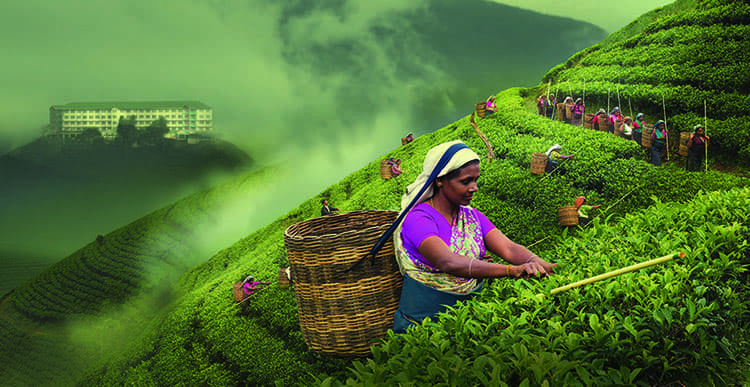
(Image: Tea pickers at work in the hills of Sri Lanka)
The history of Ceylon tea is inextricably linked to the development of Sri Lanka. What was once made possible by the decline of coffee cultivation is now a global success story that brings the country economic stability and great prestige.
Conclusion: Thanks to innovation, perseverance, and the dedication of visionary tea pioneers, Ceylon tea has established itself as a premium product. It is an important symbol of Sri Lanka’s cultural heritage and delights connoisseurs around the globe.
Key Facts About Ceylon Tea
- 19th century: First successful tea plantation in the Royal Botanical Gardens of Peradeniya
- James Taylor: Launch of commercial tea cultivation in Loolecondera (1867)
- Coffee rust: Displaced coffee cultivation and paved the way for tea
- Technical innovations: Sirocco dryers and tea rolling machines fueled its rise to a global brand
- Quality & Protection: GI seal (since 2011) guarantees authentic “Ceylon Tea”
Want to learn more?
- Discover the Lumbini range to enjoy award-winning teas that combine tradition and flavor in every cup.